
 Pound sterling
 United States (US) dollar






How to Choose a Pet Food Store in the UK

How To Choose the Best Pets Food In UK Step By Step Guide
Choosing where to buy your pet’s food matters almost as much as choosing the food itself. There are roughly 13.5 million pet dogs and 12.5 million pet cats in the UK, living in around a third of households or more, and every one of them eats every day. With that many owners and so many shops, here’s how to tell a good pet food store from an average one.
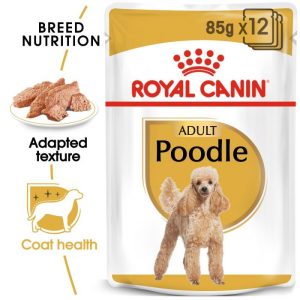
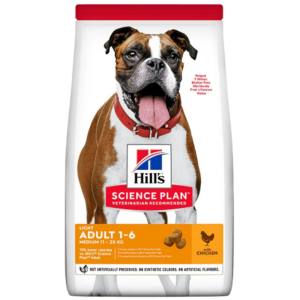
At The Pets Foods we sell dog and cat food from brands including Hill’s, Royal Canin, Purina, Burns, Autarky and Arden Grange. This guide is deliberately store-neutral, so you can use it on any retailer, including us.
The 7-point checklist for any pet food store
- Clear product information. You should see the full ingredient list, analytical constituents and a feeding guide before you buy, not just a photo and a price.
- Honest “complete” labelling. Every product should say whether it is a complete or complementary food (more on this below).
- Choice by life stage and health need. Look for separate ranges for puppies and kittens, adults, seniors, weight control, sensitive digestion and so on.
- Recognisable brands with clear pack sizes. Stock from established manufacturers makes it easier to check the maker behind a food.
- Straightforward delivery and returns. Costs, dispatch times and the returns policy should be easy to find, not hidden at checkout.
- Real contact details. A UK address, an email and a phone or messaging number show the shop is accountable.
- Careful claims. Be wary of any store promising to “cure”, “boost immunity” or be “100% healthy” without evidence.
Learn to read a UK pet food label
You don’t need a nutrition degree. UK rules mean label information must be truthful and not misleading about the product’s nature and quality, and the label must state whether it is complete or complementary. A complete food meets all your pet’s nutritional needs when fed as directed, while a complementary food has to be fed alongside something else. ukpetfoodvethelpdirect
Two practical tips:
- Check the order of ingredients. Ingredients must be listed in descending order by weight, so the first few tell you what the food is mostly made of. ukpetfood
- Look for the nutritional standard. Manufacturers in Europe follow the FEDIAF nutritional guidelines, which are reviewed by independent veterinary nutritionists. europeanpetfood
If you want to dig deeper, the World Small Animal Veterinary Association (WSAVA) suggests questions to put to any manufacturer, such as who formulates the recipes and what quality control they use. It’s worth knowing that WSAVA does not approve or certify individual brands. Treat any “WSAVA approved” claim with caution. If a manufacturer can’t or won’t answer these questions, WSAVA advises owners and vets to be cautious about that brand. justfoodfordogswsava

Match the food to the life stage
Puppies, adults and seniors need different nutrition, and size matters too. The Kennel Club notes that dogs under 10kg are generally adults by around 8 months, dogs of 11–25kg by about a year, and dogs over 26kg anywhere from 15 months to 2 years. That’s when to start thinking about moving from puppy to adult food. For cats, the same logic applies from kitten to adult to senior. thekennelclub
When you shop, filter by life stage first, then by any health need, and only then by brand or price.
Veterinary and therapeutic diets: ask your vet first
Ranges such as Hill’s Prescription Diet and Royal Canin Veterinary are designed for specific conditions like kidney, urinary or digestive problems. These aren’t a self-diagnosis shortcut. Even UK veterinary pharmacies advise that you should seek professional advice before choosing a diet. vets4u
A separate point on medicines: if you ever buy veterinary medicines online, the RCVS advises using a regulated, authorised retailer, as listed by the Veterinary Medicines Directorate (VMD). rcvs

How to switch foods without a tummy upset?
Whether you’re changing brand, moving up a life stage or trying a new recipe, go slowly. UK guidance suggests a gradual change over around 7 to 10 days, longer if your pet has a sensitive stomach. A typical plan looks like this: lassie
| Days | Old food | New food |
|---|---|---|
| 1–2 | ¾ | ¼ |
| 3–4 | ½ | ½ |
| 5–7 | ¼ | ¾ |
| 8–10 | none | all |
If your pet has loose stools or is off their food, extend the transition or ask your vet for advice. lassie
Don’t forget weight and treats
A good store helps you feed the right amount, not just the right food. The PDSA has found that 54% of owners don’t know their pet’s ideal weight and 82% don’t know their pet’s body condition score, and that up to half of UK pets may be overweight or obese. Weigh your pet regularly, follow the feeding guide on the pack, and count treats as part of the daily allowance. pdsapdsa
Foods to never share with your pet
Some human foods are dangerous. The PDSA lists these as hazards: chocolate, grapes, raisins, sultanas and currants, onions, garlic, leeks and chives, macadamia nuts, xylitol and mouldy food. The Kennel Club also warns that reports of chocolate poisoning in dogs rise sharply around Christmas and Easter. If your pet eats any of these, call your vet straight away. pdsathekennelclub
Why shop with The Pets Foods
- A wide range: dry and wet food for dogs and cats, puppy and kitten food, weight control, and veterinary diets.
- Recognisable UK brands, with pack sizes from small trial bags up to bulk sacks.
- Real people to ask: message us on WhatsApp or use the contact page if you’re unsure which food suits your pet.
- Browse by what matters: filter by pet, brand, category and price, and use the compare and wishlist tools to shortlist.
Not sure where to start? Browse dog food or browse cat food, and talk to your vet if your pet has a health condition.

FAQs
How do I know a pet food is nutritionally complete?
Check the label. It must say “complete” or “complementary”, and a complete food is designed to meet all your pet’s needs when fed as directed.
Is expensive pet food always better?
Not necessarily. Compare the label, life stage, feeding guide and manufacturer information rather than price alone.
How long should I take to change my pet’s food?
Around 7–10 days, longer for sensitive stomachs.
Do I need a prescription for veterinary diets?
Therapeutic diets should be chosen with your vet’s advice. Prescription-only medicines are different and need a vet’s prescription.
How do I know if my pet is overweight?
Ask your vet or vet nurse to show you how to check your pet’s body condition score, and weigh them regularly.
Related posts
Signs of Congestive Heart Failure in Dogs
Lorem ipsum dolor sit amet, consectetur adipiscing elit. Nunc fermentum felis at erat feugiat sodales. Phasellus..Read more


